Look 01
Light structure
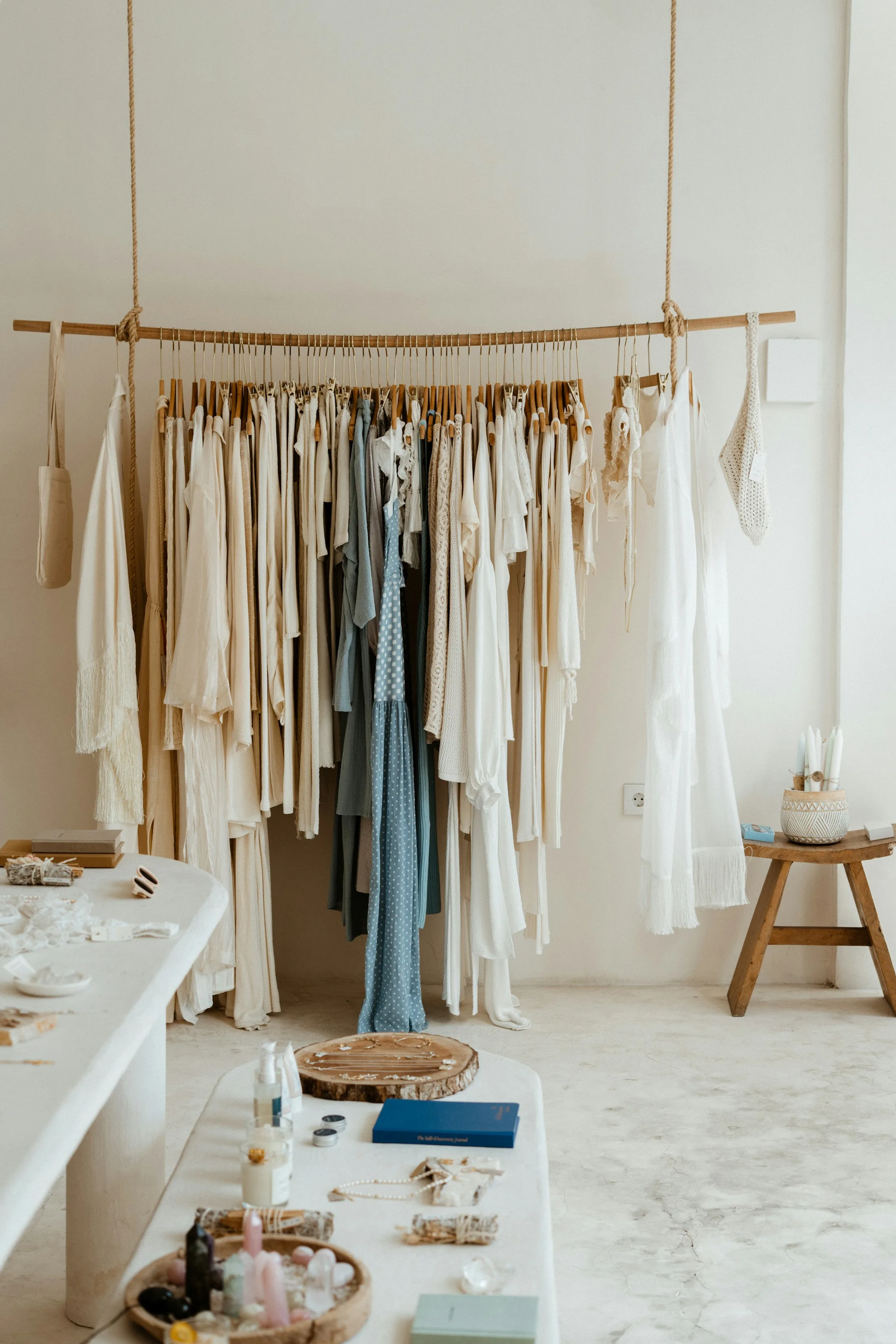
An ivory shirt dress, straight-leg trouser, and slim leather belt. The shape stays relaxed, while the accessory line gives the look enough structure for daytime plans.

Editorial direction
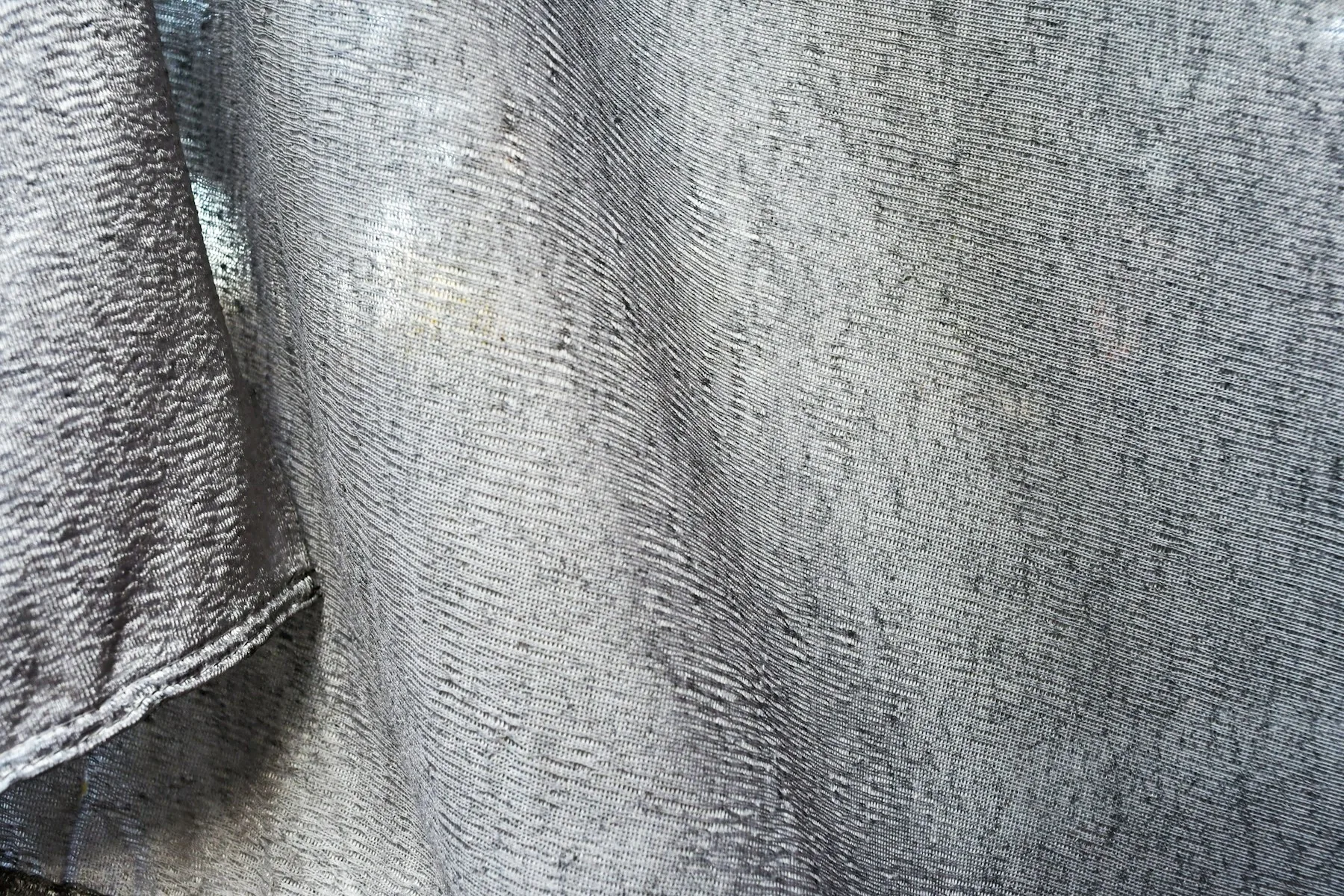
Outfit direction from the Vivid Attire point of view: tactile surfaces, clean lines, controlled contrast, and accessories that finish the mood.
Outfit stories
The lookbook is designed for shoppers who need a refined starting point rather than a large inventory grid.
An ivory shirt dress, straight-leg trouser, and slim leather belt. The shape stays relaxed, while the accessory line gives the look enough structure for daytime plans.
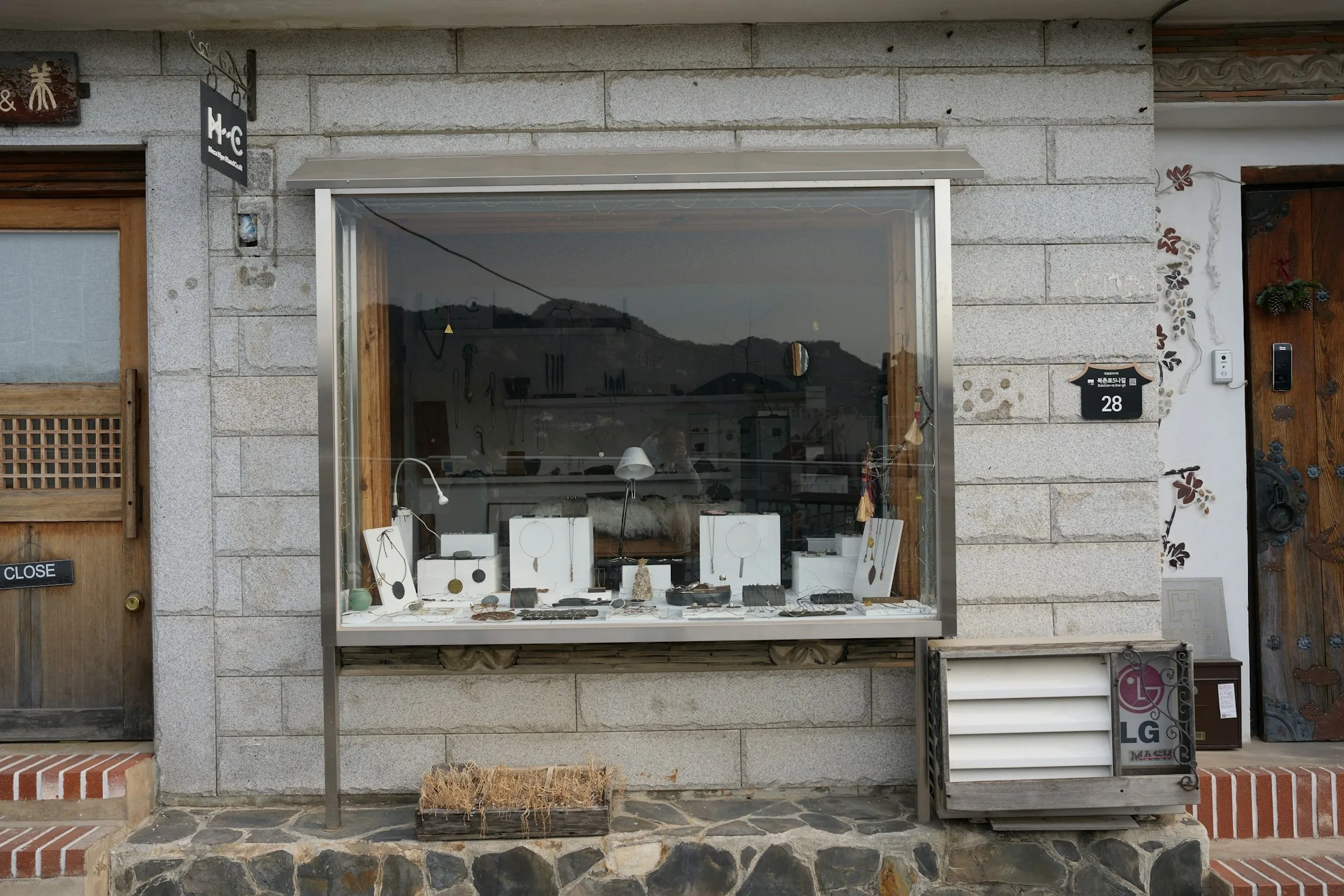
Small earrings, a warm metal cuff, and a compact bag used as a quiet focal point.
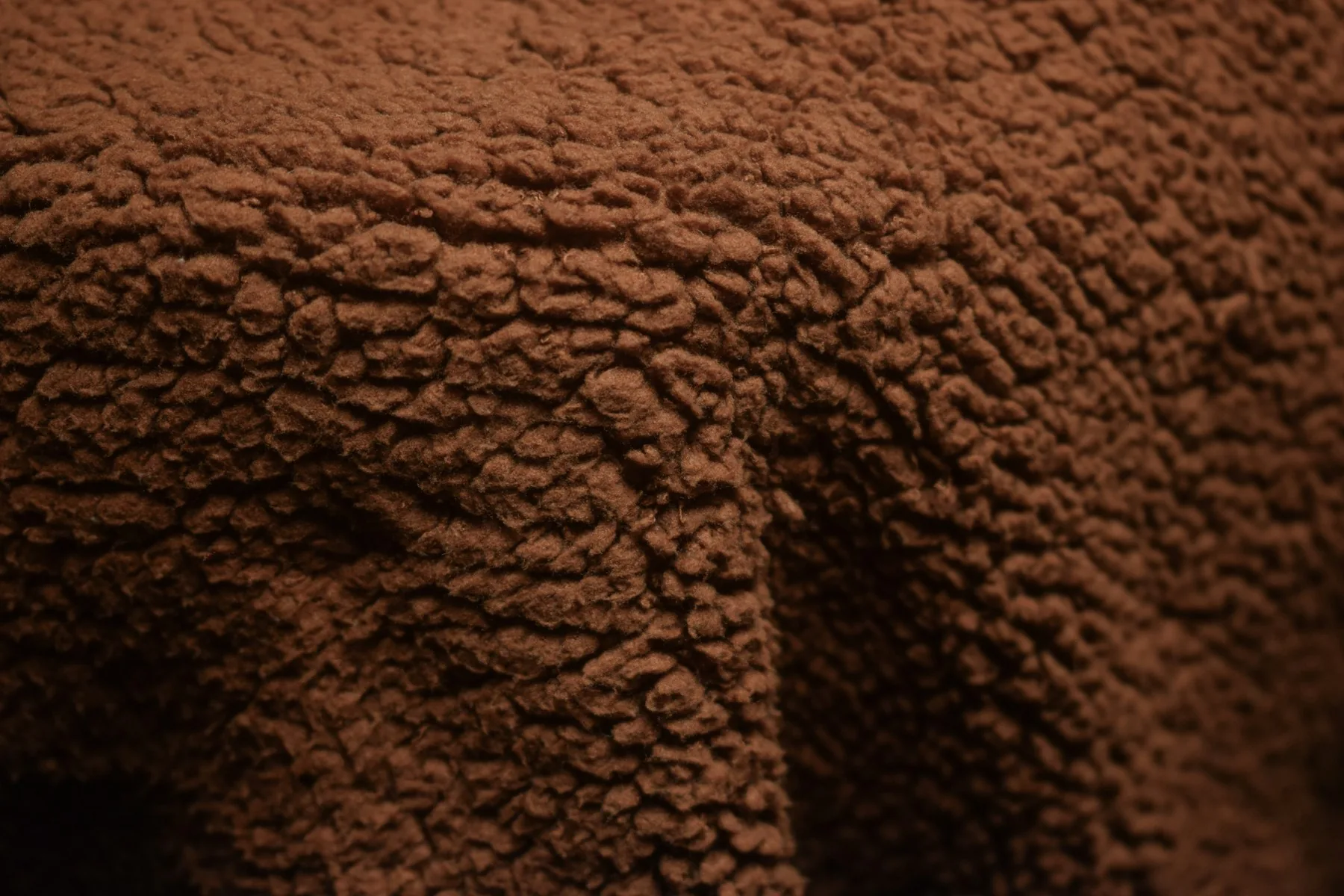
Matte cotton against a brushed knit, grounded with a deep neutral shoe.
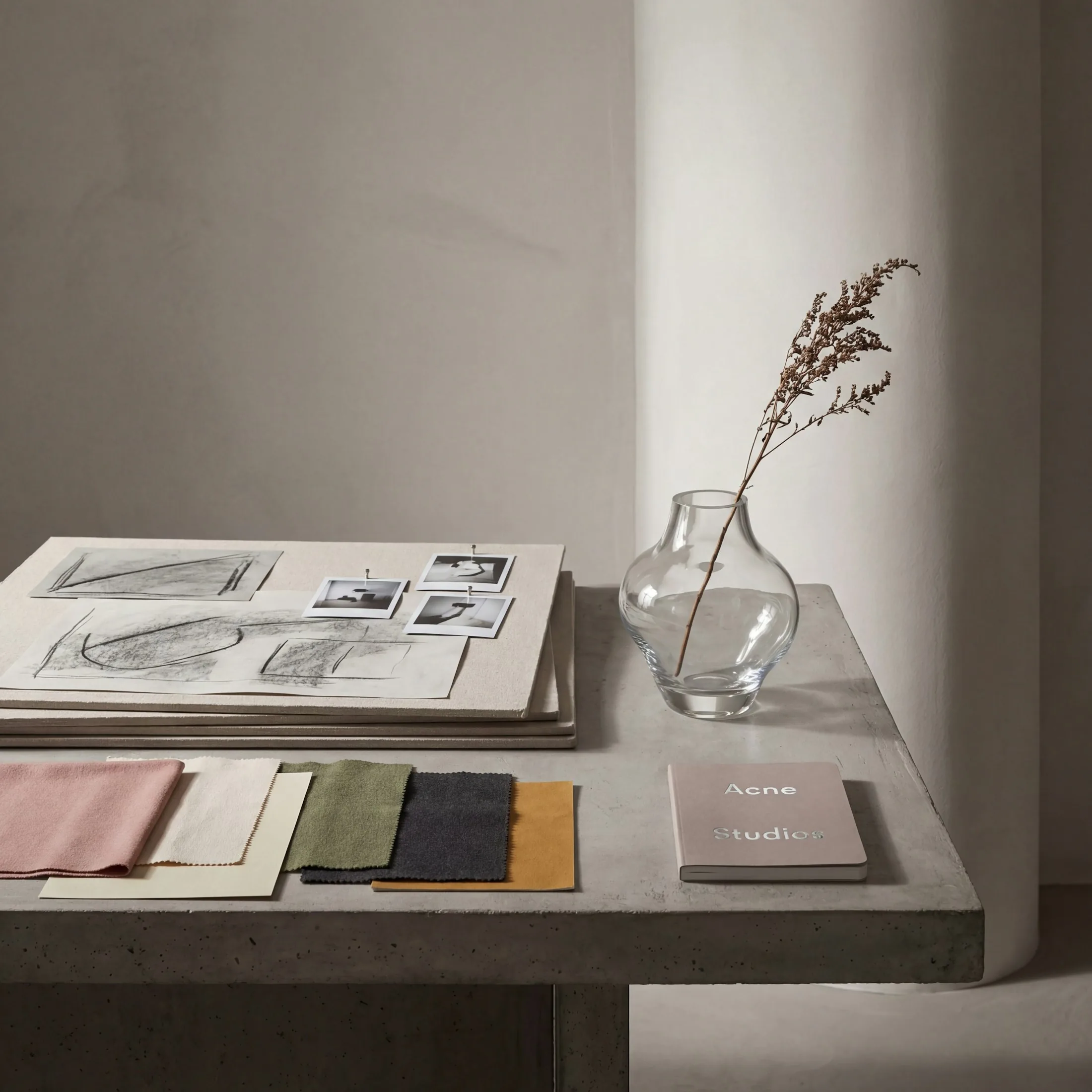
Copper, moss, and ink are used as a controlled palette. A single brighter note can make an outfit feel styled without making it loud.
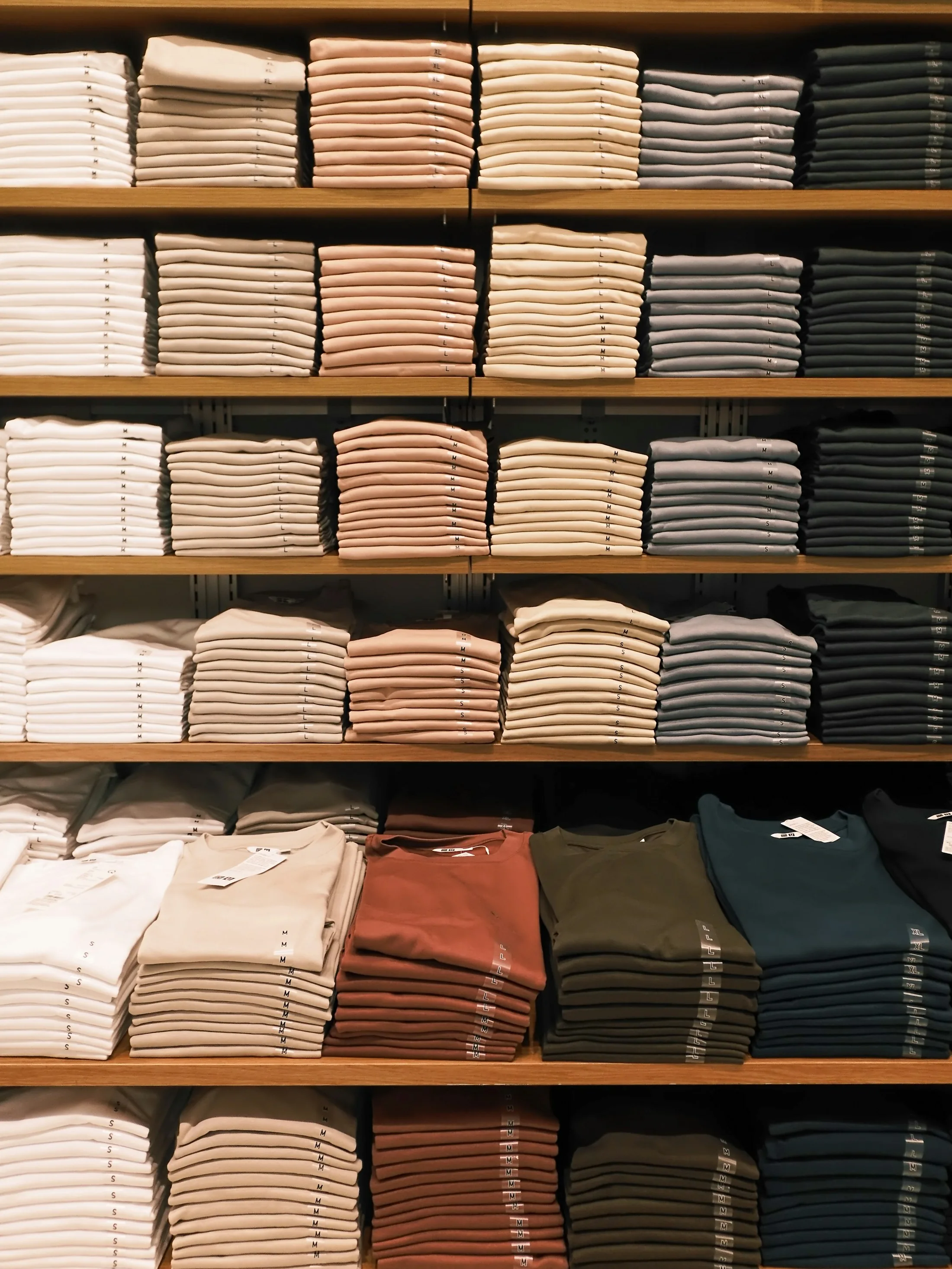
A folded knit, fluid skirt, and low-profile leather accessory create a weekend outfit that still reads intentional.
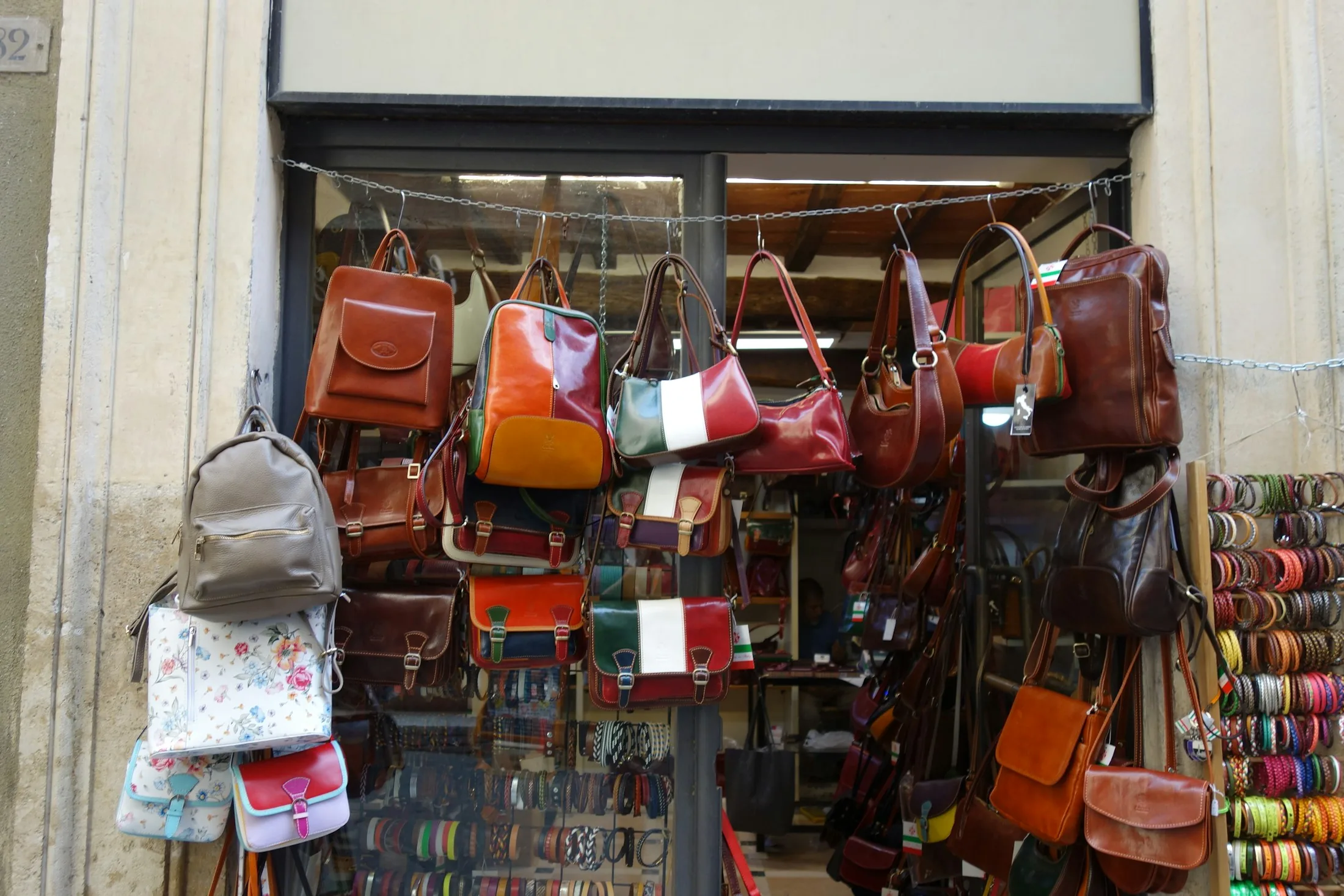
Accessories chosen for proportion: enough presence, no unnecessary bulk.
How to use the edit
The Vivid Attire method starts with a reliable garment shape, then builds depth through material contrast and accessory scale. The result should feel finished from the first layer to the final detail.